
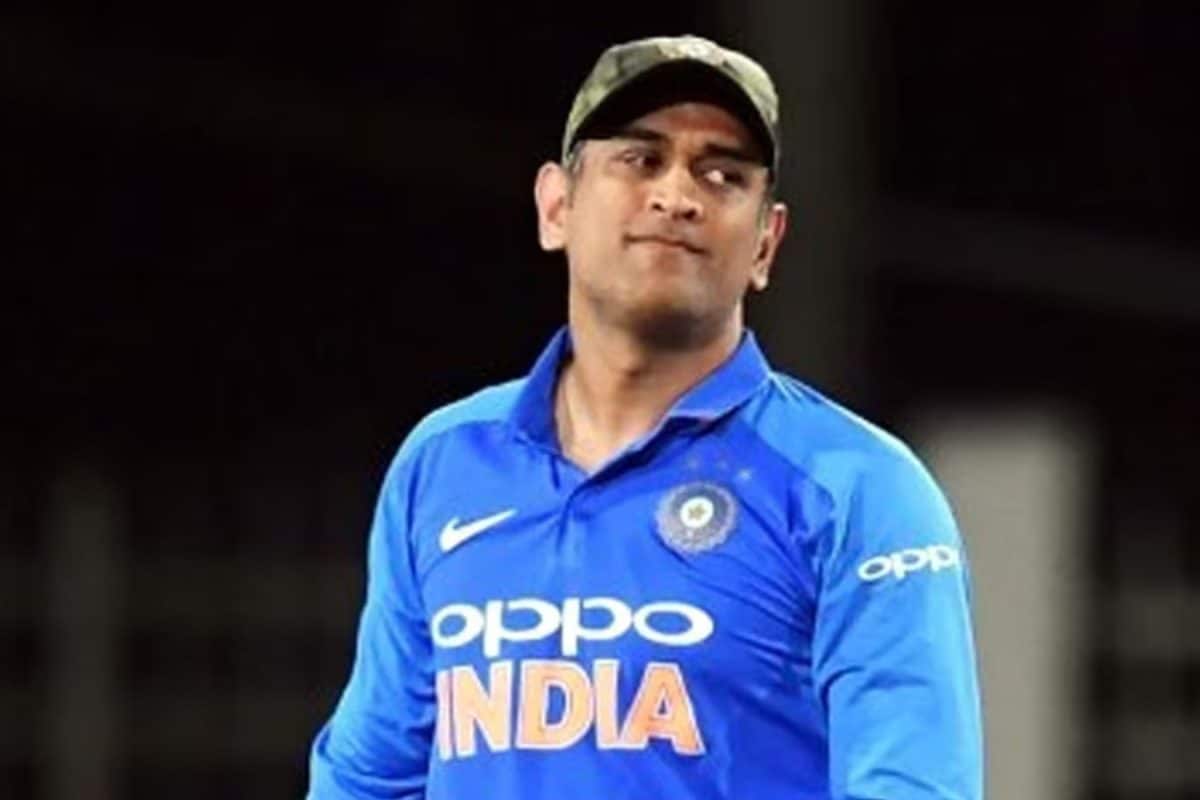
Former wicketkeeper-batter placed in top bracket as pensions are revised
A significant change in the pension structure for retired Test cricketers has brought welcome news for a former wicketkeeper-batter, who now falls into the top bracket of beneficiaries. The pensions for this group have been revised to a range of Rs 50,000 to Rs 70,000, a step that acknowledges long-term service and contribution to the game.
What the revision means
The new pension range—between Rs 50,000 and Rs 70,000—offers greater financial security for those who spent years representing their country at the highest level. For many retired players, match fees and short-term contracts do not always translate into steady income after retirement. This revision helps bridge that gap and provides a predictable monthly support that can be important for medical care, family needs, and a dignified post-playing life.
Why this matters for wicketkeeper-batters
Wicketkeeper-batters occupy a unique place in cricket. They combine the physically demanding role of keeping wickets—constant squatting, quick reflexes and long periods of concentration—with the pressure of contributing runs down the order. For those who played Tests, that workload often translates into a long and sometimes punishing career. Recognising a former wicketkeeper-batter in the top pension bracket signals respect for that dual contribution.
Broader impact on retired Test players
- Improved financial stability: Higher monthly pensions help retired players manage ongoing expenses, especially as healthcare costs rise with age.
- Recognition of service: The revision is a formal acknowledgment of the sacrifices and achievements of players who represented their nation in the longest format.
- Encouraging legacy roles: With better support, more ex-players may feel empowered to take up coaching, mentoring and commentary roles without immediate financial pressure.
Voices from the cricket community
While specific reactions can vary, changes like these are generally welcomed by former players and fans alike. Many view pension revisions as overdue recognition, especially for those whose careers predated the big-money era of T20 leagues. For fans, it reinforces the idea that cricketing boards and associations are taking long-term welfare seriously.
What fans and current players should know
- Pension revisions reflect ongoing efforts to support players beyond their active careers.
- Higher pensions can ease transitions into life after cricket and allow retired players to remain involved in the sport in meaningful ways.
- Those who follow the game can support former players by attending charity matches, engaging with coaching programs they run, and celebrating their contributions publicly.
Looking ahead
This pension adjustment is part of a broader conversation about how cricket structures care for those who gave their prime years to the sport. Continued reviews, transparent criteria for pension brackets, and regular adjustments for inflation will help ensure retired Test players—especially those who played demanding roles like wicketkeeper-batters—receive fair and sustainable support.
For the former wicketkeeper-batter now in the top bracket, the revised pension is more than a number: it’s a tangible sign that past dedication remains valued and that the game is taking steps to look after its own.