
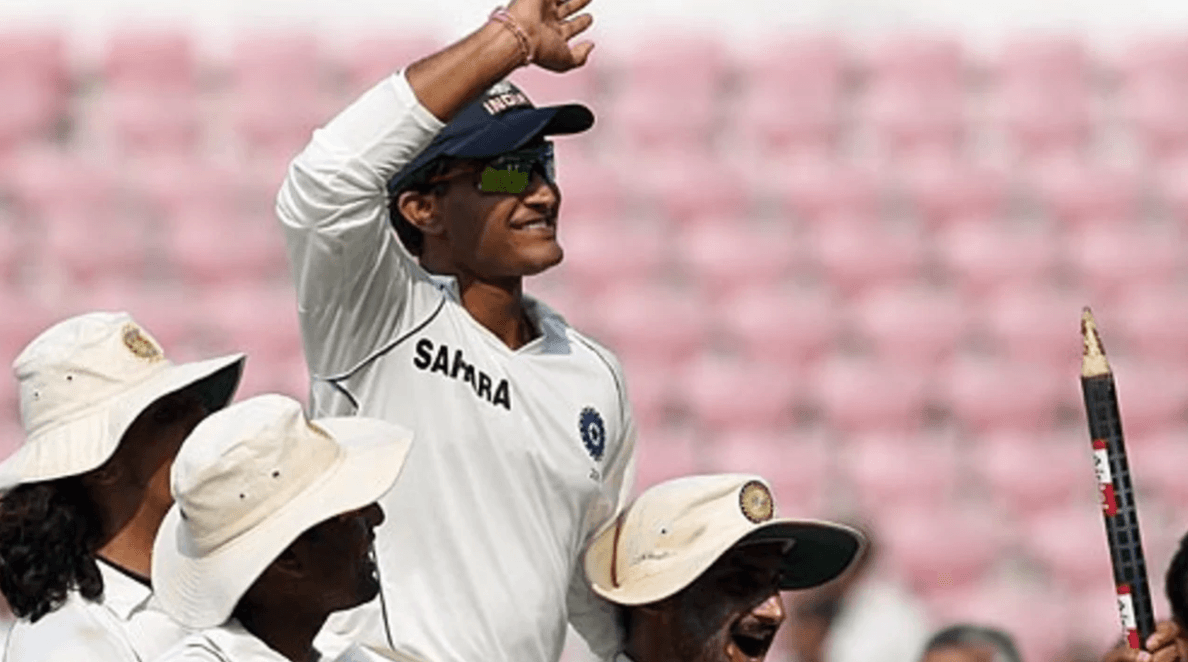
Bengal has always had cricket woven into its culture — from the Maidan to Eden Gardens — yet the state’s representation on the national stage has been sporadic. Talent exists, stories of struggle are many, and the landscape is changing slowly. Still, questions remain: why do so few Bengal-born players make it to India’s top teams, and what needs to change for Kolkata and the state to produce more international stars?
Faces that remind us of Bengal’s potential
Certain names keep the dream alive. Sourav Ganguly remains the most iconic figure: a skipper who changed Indian cricket’s temperament and inspired generations in Bengal. Wriddhiman Saha followed as a dependable Test wicketkeeper who earned praise for his technique and temperament.
There are contemporary reminders too. The narrative in a recent book paints Mohammed Shami as a Bengal figure — a portrayal that underlines how fans and writers sometimes project regional identities onto national stars. Akash Deep offers another example: he represents Bengal on domestic scorecards and calls Eden Gardens his home ground, yet he hails from Bihar. These stories show how state jerseys can be both a platform and an identity.
Bengal aesthetics versus the realities of sport
Kolkata’s streets and stations are dotted with cricketing images — a mural at Behala Chowrasta, memories of young boys in the Maidan — but the path from local hero to professional cricketer is narrow. Ganguly’s own story contains an odd twist: he loved football as a child while his brother played cricket, and it took a combination of luck, persistence and family friction for him to persist with the sport.
That friction is common in many Bengali households. Academics are viewed as the safe ladder, while sport is seen as a risky option. Cricket’s costs — coaching, gear, nutrition and travel — add another layer of difficulty for families operating on tight budgets. For many talented youngsters, such pressures mean quitting competitive cricket around 16–18 years of age.
Traditional coaching — strengths and limits
Bengal’s coaching culture has long emphasized technique, patience and the red-ball game. On slow, low-bounce local pitches, batters are trained to play straight, leave well and operate within a conservative “V”. Bowlers learn control and discipline; fielding has traditionally focused on safety and reliability.
Those qualities produced technically sound cricketers, but in the era of power games and T20 leagues, the approach has shown limitations. Modern selection pathways increasingly value intent, power, athleticism and versatility. Recognising this, many academies and coaches in Bengal are gradually introducing matchup-based training, strength work and exposure tours — attempts to marry classical technique with white-ball demands.
Domestic success and the selection ladder
Domestic trophies still matter. Consistent Ranji or List A performances often accelerate national recognition. As former internationals have noted, players from certain states — Mumbai, Delhi, Punjab — historically benefit from strong domestic systems and legacy advantages. For Bengal, major domestic successes have been intermittent; the state’s last high-profile wins are not plentiful, and the Ranji Trophy title has eluded the side for decades.
That said, individual consistency has opened doors: Wriddhiman Saha is a notable example of a player who earned India caps through steady performance. The broader challenge is turning individual sparks into a steady pipeline of performers.
IPL exposure — the KKR story and the drought
The IPL has become a huge stage for talent discovery, yet Bengal names have been scarce in recent editions. Since the tournament began, roughly 20 players associated with Bengal have featured in IPL squads, with about half born in the state. Early on, Kolkata Knight Riders did elevate local players — names like Lakshmiprasad Shukla, Manoj Tiwary and Ashok Dinda featured prominently — and Ganguly’s association added prestige.
Over time, KKR’s recruitment broadened geographically, including investments in overseas players and talents from neighbouring regions. As a result, fewer Bengalis got sustained IPL runs. A few exceptions have emerged: young wicketkeeper-batsman Abhishek Porel earned an IPL berth and plays in the powerplays with intent, while fast bowlers like Ishan Porel have had glimpses without long runs. The net result is a visibility gap that hurts selection chances.
Where Bengal is moving — and what still needs fixing
There are hopeful signs. The Bengal Premier League and other local tournaments aim to give emerging players competitive minutes. Coaching curriculums are slowly evolving, and some academies are sending players for exposure tours beyond state borders.
- More modern coaching: Young coaches with white-ball experience are needed to teach power-hitting, pace generation and athletic fielding alongside classical technique.
- Better pathways: Clearer, merit-based trials and more inter-state competition will give talented youngsters the exposure they need.
- Parental support: Families must be willing to back promising cricketers beyond academic safety nets — financial planning and scholarship systems could help.
- Reduce politics and gatekeeping: Transparency in selection and administrative decisions will allow talent to surface on merit.
Conclusion — creating new names, not selling old ones
Bengal remains a cricketing cradle with deep cultural roots, but converting passion into consistent national representation requires systemic change. The state has the infrastructure and enthusiasm; what it needs now are modern coaches, stronger domestic performances, more IPL visibility for local players and a societal shift that allows sport to be a serious career choice.
It’s time for Bengal to stop relying on nostalgia and start building structures that produce the next wave of national cricketers — players who carry the red-and-gold beyond Eden Gardens and onto the international stage.