
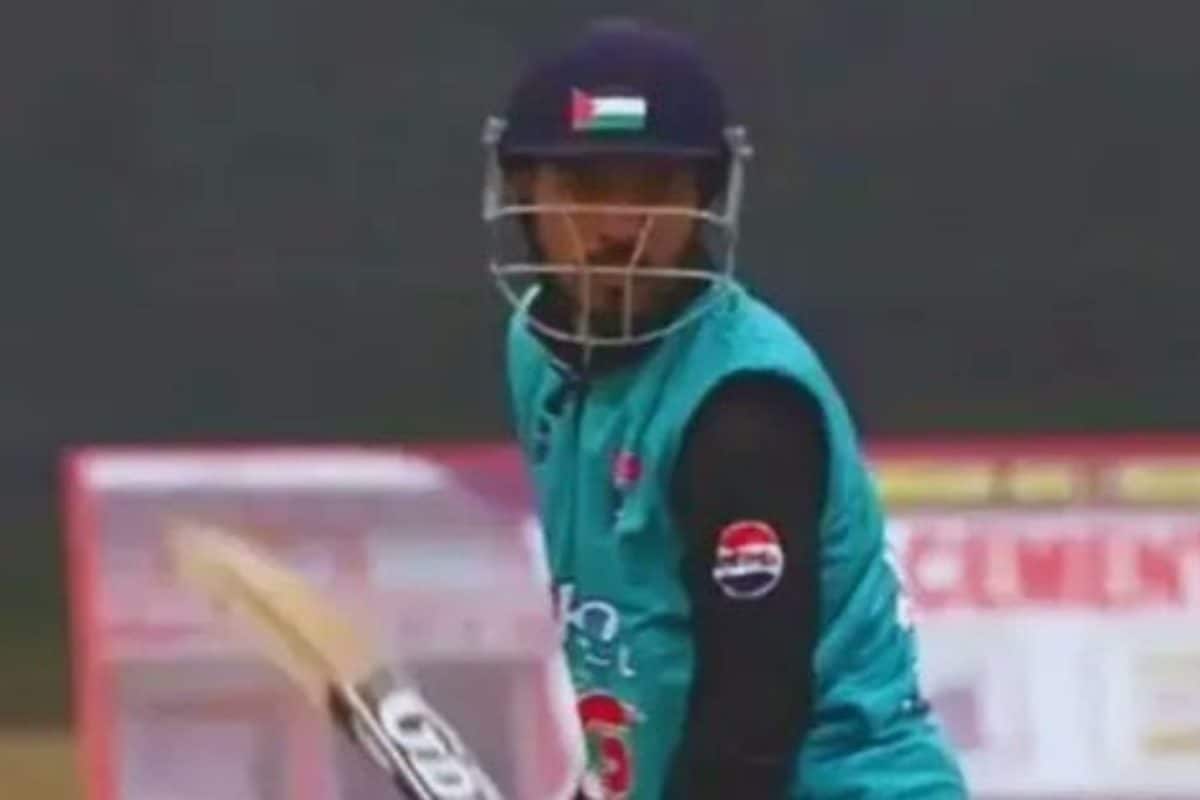
Player Sparks Debate After Wearing Palestine Flag on Helmet in J&K Match
Clips shared widely on social media show a cricketer wearing a helmet bearing the Palestine flag while playing in a local tournament in Jammu and Kashmir. The images quickly drew attention and sparked a debate about the role of political symbols in sport.
What happened on the field
During one of the matches in the regional tournament, a player appeared on the field with a helmet that displayed the Palestine flag. The sighting was picked up by spectators and recorded on mobile phones. Short video clips and photos have since circulated across platforms, prompting reactions both locally and beyond.
Immediate reactions
Public reaction has been mixed. Some viewers expressed support for the player’s choice as an expression of solidarity, while others criticised the move for bringing political messaging into a sporting setting. Comment threads and posts ranged from calls for disciplinary action to appeals for tolerance and understanding.
How sports authorities generally treat political symbols
Most cricket boards and tournament organisers have codes of conduct that govern uniforms and on-field behaviour. These rules often restrict political or religious messaging on official kit to preserve the neutrality of sport. That said, enforcement and interpretation can vary based on the level of competition and local regulations.
- Official tournaments: International and major domestic competitions usually apply strict guidelines on logos and messages.
- Local events: Smaller or community tournaments may have looser oversight, which can allow personal expressions to slip through.
- Precedents: Players have used clothing and equipment in the past to make political or social statements, prompting discussions about where to draw the line.
Why it matters
Sports often provide a visible platform. When players display political symbols, it raises questions about the boundary between personal expression and the collective values of an event. In regions with sensitive political climates, such displays can quickly become flashpoints that draw attention away from the game itself.
What could happen next
Possible next steps include the tournament organisers or the local cricket association reviewing the incident and clarifying rules for future matches. If any formal complaints are raised, the player could receive a warning, or event officials might tighten uniform checks before play. Alternatively, organisers may choose to treat the matter as a one-off and focus on keeping the tournament on schedule.
Closing thought
The incident highlights the ongoing tension between individual expression and the neutral space sports aim to provide. Clear guidelines and calm dialogue between players, organisers, and fans can help manage such situations without letting them overshadow the sport itself.