
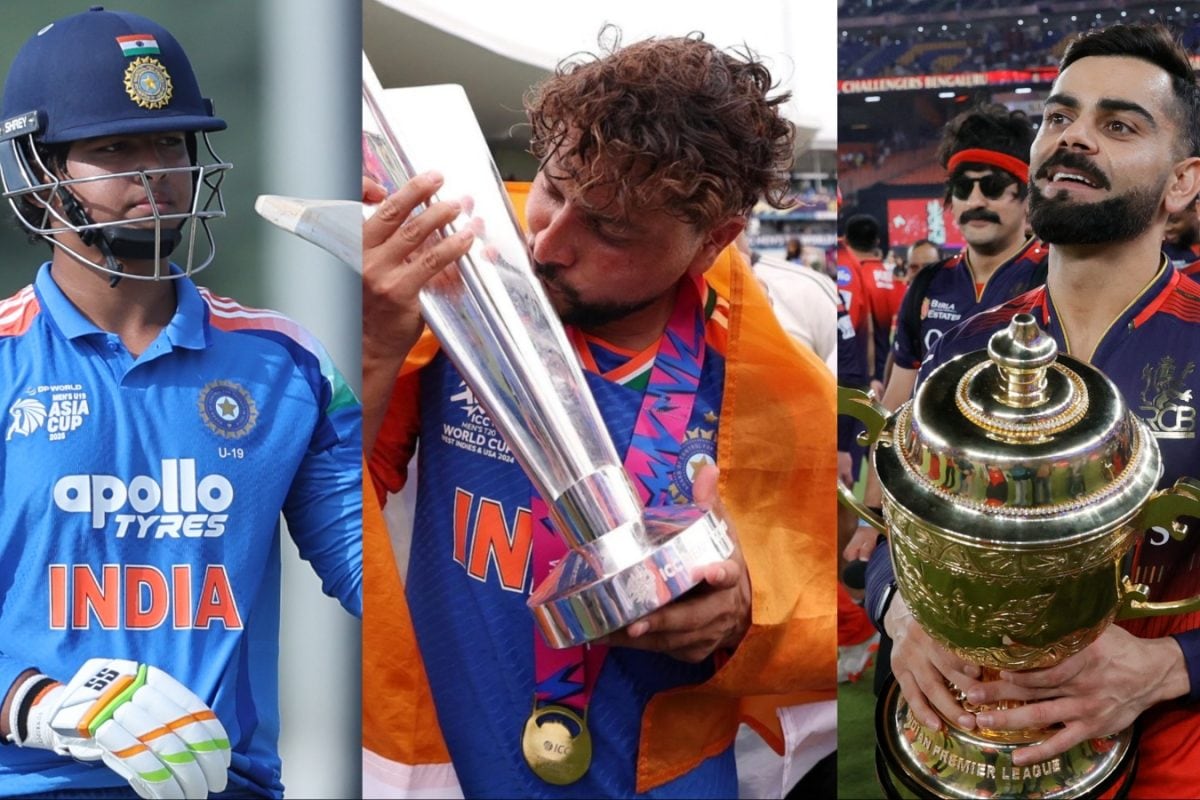
Cricket in 2026 looks set to be a full-blooded affair. All 12 full-member nations will be busy across Tests, One-Day Internationals and T20 Internationals, and every team will also take part in the T20 World Cup 2026. That combination promises a year of intense international action, strategic juggling and plenty of talking points for players, selectors and fans.
What the packed calendar means
The fact that every full-member nation will play multiple matches in all three formats — Tests, ODIs and T20Is — alongside the T20 World Cup means two main things: opportunity and pressure. Boards get more cricket to broadcast and sell, while players have more chances to prove themselves across formats. At the same time, workload and travel will be significant issues to manage.
Opportunity for growth and exposure
- Younger players get a platform: With so many fixtures, teams can blood new talent without sacrificing competitiveness. This helps boards build depth beyond the established XI.
- Format specialists and all-rounders thrive: Players who adapt quickly across formats become more valuable, while format specialists can still find regular chances in the T20 and Test windows.
- Commercial gains: More international cricket boosts ticket sales, sponsorship and broadcast revenue, which in turn supports grassroots programs and domestic structures.
Pressure points for teams and players
- Player workload and rotation: Managing fitness across formats will be crucial. Expect more rotation, rest protocols and workload monitoring.
- Injury risk: Back-to-back formats increase the risk of injuries, especially for fast bowlers and players recovering from surgery or long layoffs.
- Scheduling headaches: Long travel routes and tight turnarounds could affect preparation and form, particularly on tours involving multiple conditions.
Preparation and selection strategies
Selectors and coaching staff will have to be nimble. Tests demand patience, skill and a different mental approach, while ODIs and T20Is reward tempo control and innovation. Teams that plan long-term — using clear rotation policies and role definitions — are likely to get the most from a demanding year.
How teams might approach selection
- Clear format roles: Define who is a Test specialist, who is a white-ball leader, and who can genuinely play all three formats.
- Rest and recovery windows: Prioritise fitness; hand out rest to senior players before major tournaments like the T20 World Cup.
- Use of A teams and domestic competitions: Keep bench strength match-ready by sending fringe players to A tours and encouraging strong domestic seasons.
Impact on the T20 World Cup 2026
With every full-member nation already stretched across formats, the T20 World Cup becomes both a pinnacle and a logistical challenge. Teams will want their best players fit and in form, but achieving that balance will require careful calendar management.
Key considerations for the tournament
- Form vs. fatigue: Players coming off long bilateral series might be in form but worn out; teams will need to judge readiness beyond raw statistics.
- Strategy and experimentation: Some nations may use early-season white-ball fixtures to test combinations and plans specifically aimed at the World Cup.
- Fan engagement: A jam-packed international season leading into the World Cup will help maintain interest and momentum, potentially increasing viewership and stadium attendance.
Country-by-country nuance
Not all boards have the same resources. The wealthier boards can afford larger support teams, rotation plans and player management systems. Emerging boards may rely more on careful scheduling and young talent to remain competitive across formats. Each country will have a different recipe for success depending on depth, domestic structures and travel demands.
Broadcast, commercial and grassroots effects
More international fixtures boost broadcast hours and sponsorship value, which can funnel back into coaching, facilities and youth programmes. Strong performances at home and abroad will help national boards invest in development pathways, ultimately making international cricket stronger and more competitive.
What fans can expect
- Non-stop cricket: Fans will enjoy a steady stream of international matches across all formats, which is great for viewership but may also require prioritising which series to follow closely.
- Fresh faces: Expect to see new players grab opportunities and create memorable moments early in their careers.
- Memorable rivalries: Traditional matchups will be renewed across formats, from five-day Tests that test technique to T20s that reward invention.
Final thought
2026 promises to be a landmark year in international cricket. With every full-member nation active across Tests, ODIs and T20Is and all heading to the T20 World Cup, the season will test team planning, player fitness and strategic depth. If managed well, it could deliver some of the most compelling and diverse cricket seen in recent years — exciting for selectors, broadcasters and, most importantly, the fans.