
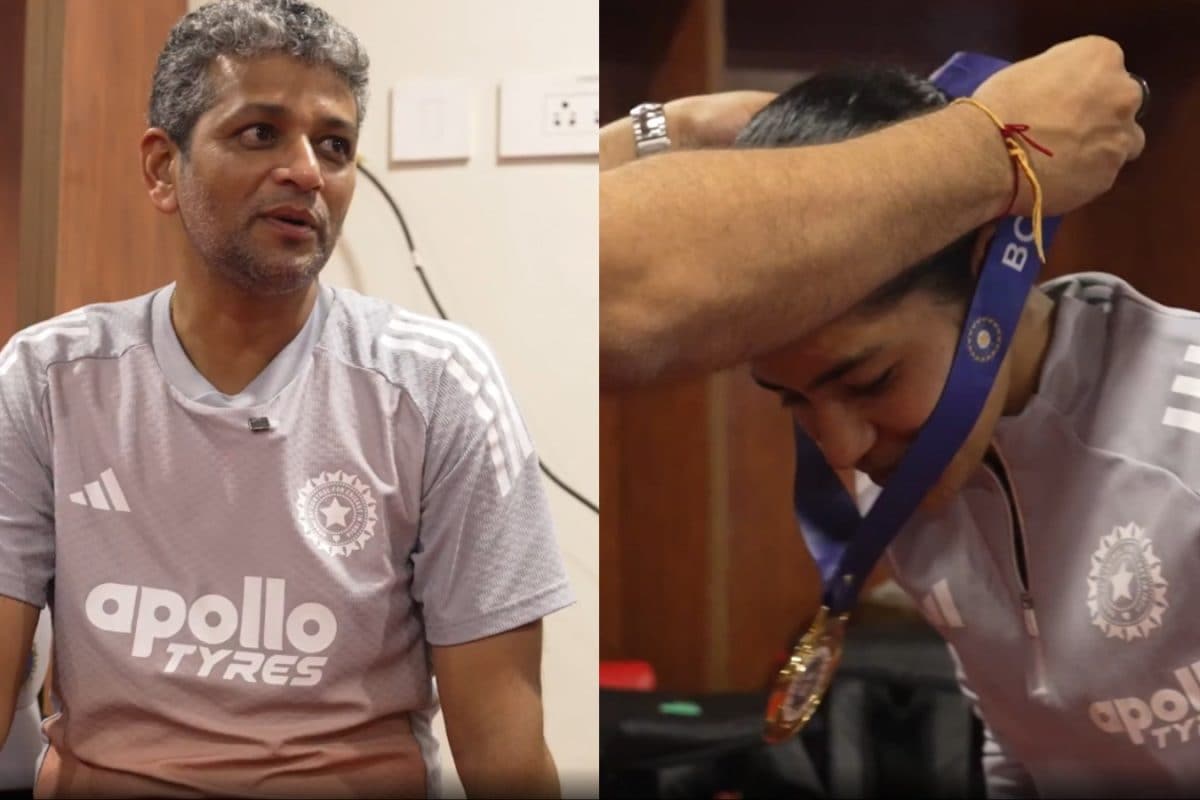
The five-match T20I series provided a perfect stage for Amanjot to show why fielding is as decisive as bat and ball in the shortest format. Time and again she produced moments that shifted momentum: diving stops in the deep, sharp ground-fielding that denied easy singles, and a string of brilliant catches that left batters and crowds stunned.
A fielding masterclass in the outfield
Across the series Amanjot looked electric in the outfield. Her footwork, balance and safe hands combined to produce a number of highlight-reel moments. Whether chasing boundary balls or cutting off quick singles, she read the game well and executed with conviction. Those catches weren’t just spectacular—they were high-pressure contributions that often came at crucial stages of matches.
Types of interventions
- Impact catches: Several of her grabs removed set batters or broke promising partnerships, swinging the momentum back to her side.
- Run-saving stops: Athletic dives and sharp pickups in the deep prevented boundaries and turned potential fours into twos or dot balls.
- Quick returns: Clean pickups and accurate throws put immediate pressure on the opposition runners and kept the scoreboard honest.
Changing games without a bat
Fielding contributions like Amanjot’s are subtle but game-defining. In T20 cricket, where margins are tiny, a single catch or a boundary-saving dive can add up to a match-winning swing. Her presence meant bowlers could push the fielding circle out with confidence, knowing the outfield behind them would back them up.
Beyond the immediate dismissals and saved runs, her energy raised the team’s intensity. Good fielding has a momentum effect—bowling units feed off it, captains gain tactical freedom, and batters under pressure start taking riskier shots. Amanjot’s work in the outfield delivered all of those advantages.
Technique, anticipation and athleticism
What stood out most was her anticipation. She rarely appeared stranded or late; instead, she positioned herself cleverly and attacked the ball with commitment. Her technique on the dive and on the pick-up was tidy, minimizing the chance of overthrows and giving her bowlers extra confidence that runs would be limited.
Those split-second decisions—whether to go full stretch for a catch or to hold back for the safer stop—showed good cricketing sense and maturity beyond raw athleticism. That blend is what turns a good fielder into a consistently match-winning one.
Team impact and what it means going forward
Amanjot’s contributions were more than individual highlights; they were practical assets for the whole side. Captains can now set more aggressive fields, bowlers can aim a little wider knowing the outfield support is there, and the team’s overall defensive standard has been visibly raised.
For selectors and coaches, consistent fielding like this is gold in T20 cricket. Players who save runs and force errors change how opponents build innings. If Amanjot keeps this level up, she’ll be a key option not just for her glovework and batting contributions (if applicable), but as someone who alters the flow of games simply by being excellent in the field.
Final thoughts
Great fielding often goes underappreciated in box scores, but any team that wants to win T20 matches needs its outfielders to be as reliable and razor-sharp as its bowlers and batters. Across the five-match T20I series, Amanjot proved she belongs in that conversation—turning athleticism into impact, one catch and one run saved at a time.