
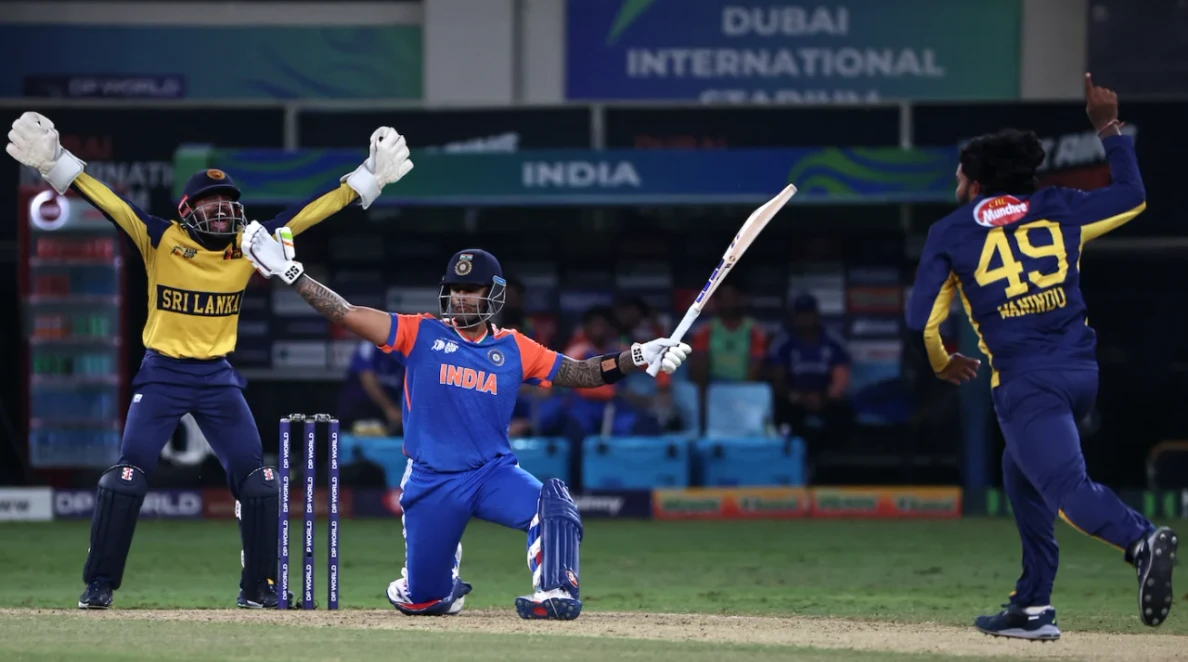
The Board of Control for Cricket in India (BCCI) has agreed to add T20 internationals to India’s proposed tour of Sri Lanka in August 2026, Sri Lanka Cricket (SLC) chairman Shammi Silva announced on January 2, 2026. The move turns what was to be a two-match Test series — part of the ICC World Test Championship 2025–27 cycle — into a mixed-format visit aimed at generating extra revenue for relief and rebuilding work after Cyclone Ditwah.
Why the extra T20Is were added
Cyclone Ditwah struck Sri Lanka in November 2025 with devastating force. The disaster, described as one of the worst since the 2004 tsunami, killed more than 600 people, left hundreds missing and affected more than two million residents across the island. Floods, landslides and widespread destruction of homes, roads and farmland have made recovery a long and costly process.
Sri Lanka Cricket approached the BCCI with a simple idea: cricket can help raise much-needed funds. India responded positively, agreeing to include shorter-format matches that are easier to televise and sell tickets for — maximizing the potential income for relief efforts.
“There was willingness from India to come down at the end of December to play two T20Is to raise funds, but there was simply no time to organise it, especially with no broadcaster available.”
That ad-hoc plan for December 2025 could not be arranged, Silva said, but the August 2026 window gives both boards time to secure broadcasters, finalise venues and ensure the fixtures will meaningfully boost SLC’s finances.
How the funds will be used
All additional revenue generated from the extra T20Is — from broadcasting rights and gate receipts — will be dedicated to immediate relief and long-term reconstruction. That includes emergency shelter, medical and sanitation support in the short term and rebuilding infrastructure, housing and agricultural support over the longer term.
India’s broader response: Operation Sagar Bandhu and reconstruction support
India’s assistance to Sri Lanka after the cyclone went well beyond cricket. Under “Operation Sagar Bandhu,” the Indian Navy and Air Force were heavily involved in rescue and relief efforts:
- Naval ships, including INS Vikrant, INS Udaygiri and INS Sukanya, were deployed for evacuations and to deliver supplies.
- The Indian Air Force airlifted modular bridges, water purification units, mobile field hospitals and medical supplies to affected areas.
- Special medical teams and National Disaster Response Force (NDRF) personnel supported search, evacuation and temporary treatment operations.
In December 2025, India also announced a $450 million reconstruction package made up of concessional loans and grants to support long-term rebuilding of infrastructure, housing and agriculture in Sri Lanka.
Cricket as a channel for humanitarian support
This is not the first time cricket has been used to help Sri Lanka financially. During the COVID-19 pandemic, the BCCI agreed to add three extra One-Day Internationals when India toured in 2021 to help SLC recover losses from cancelled fixtures. The 2026 decision echoes that precedent — using popular, broadcast-friendly cricket to raise funds and draw international attention to recovery needs.
What to expect from the August 2026 tour
The Test series (two matches) remains part of the WTC 2025–27 cycle. The number of T20 internationals has not been officially confirmed, though reports indicate two or three T20Is are likely to be added. Details such as whether the T20s will come before or after the Tests will depend on logistics, venues and broadcasting schedules.
Adding short-format games should improve the tour’s commercial viability and help Sri Lanka Cricket plan a more effective fundraising campaign, with broadcasters and ticketing arrangements in place well ahead of the matches.
Bottom line
The inclusion of T20Is on India’s August 2026 tour of Sri Lanka is a clear gesture of regional solidarity. Beyond cricketing ties, it reflects how sport can be mobilised quickly and visibly to support humanitarian relief and long-term reconstruction after a major disaster.