
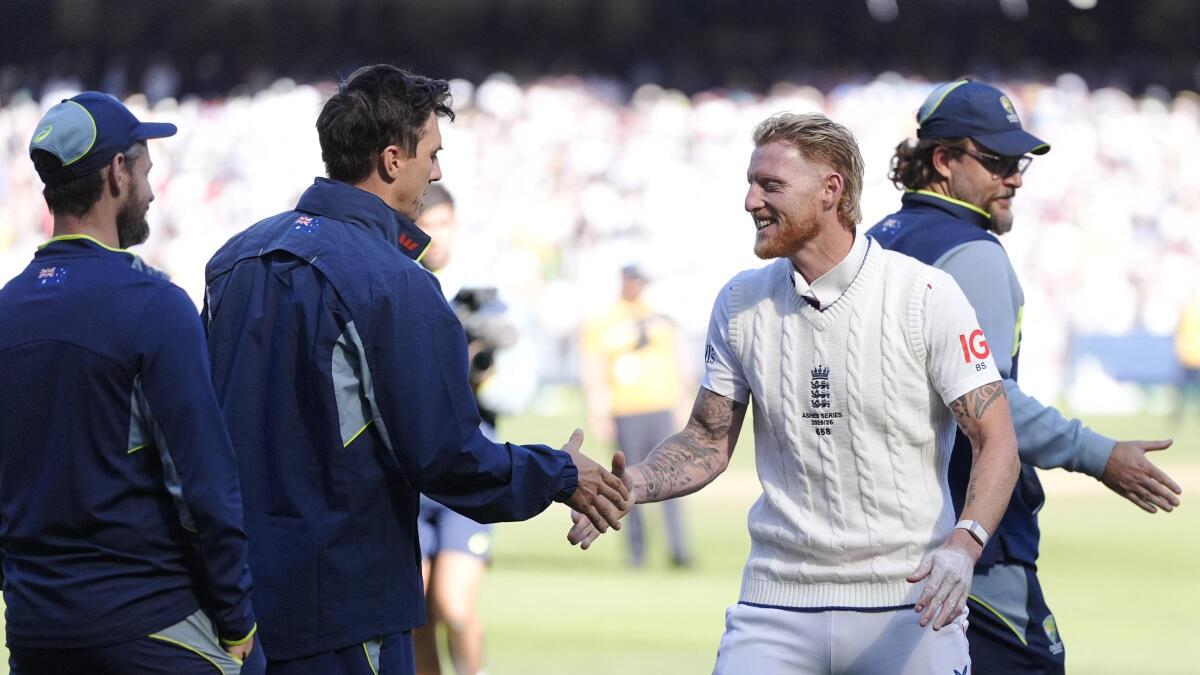
Stunning two-day finish in the fourth Test
Cricket rarely serves up a spectacle like this. Twenty wickets tumbled on day one of the fourth Test between Australia and England, and another 16 fell on day two. By the time the players walked off, the match was over inside 142 overs — a high-profile clash wrapped up within two days.
How the game unfolded
The first day set the tone. A flurry of dismissals left both dressing rooms scrambling for answers and forced captains into constant thinking on their feet. Day two continued in the same vein as bowlers kept pushing and batters failed to find the foothold they needed. The relentless wicket-taking meant there was little time for the usual ebb and flow of a Test match: sessions were decisive and the game’s momentum swung repeatedly.
Fast, sharp and unforgiving
There were long periods when the ball did the talking. Seam movement, bite off the surface, and timely short-pitched bowling combined to make scoring difficult and risky. Even set batters found it hard to build long innings — a clear sign that the bowlers had the upper hand throughout.
Conditions and likely causes
Matches that finish this quickly often reflect more than just excellent bowling. Several factors probably contributed:
- Pitch behaviour: The surface appeared to offer movement and uneven bounce that challenged technique.
- Bowling quality: Discipline, good lines and lengths, and intelligent use of conditions kept pressure on the batters.
- Mood of the contest: With early wickets, attacking fields and aggressive plans usually follow, which can accelerate the fall of further wickets.
What this means for both teams
A result like this has immediate consequences. For the winning side, it is a huge boost in confidence and momentum. For the losing team, questions will be asked about technique, temperament and selection decisions. The selectors and coaching staff will be poring over footage to understand what went wrong and what needs fixing before the next match.
Key talking points
- Rarity of a two-day Test: Top-level Tests ending inside two days are unusual and grab attention for how quickly the usual patterns were upended.
- Bowling dominance: A combined 36 wickets in 142 overs points to bowlers controlling the contest from start to finish.
- Batting frailties exposed: Batters from both sides will need to find answers on technique and shot selection in testing conditions.
- Pitch scrutiny: Short matches raise questions about surface preparation and whether it allowed a balanced contest between bat and ball.
Looking ahead
The fallout from a match like this will be felt in selection rooms and in the dressing rooms. Coaches will push for adjustments, batters will work on temperament and leaving skills, and bowlers will look to maintain the form that produced such a decisive display. For fans, the quick finish leaves a mix of excitement and curiosity about how the next Test will play out — whether conditions will repeat or whether the contest will return to the longer, more patient battles traditional to Test cricket.
What is certain is that this fourth Test will be discussed for some time. Matches that end so rapidly tend to spark intense debate about conditions, tactics and the balance of the game — and this one gives plenty to talk about.