
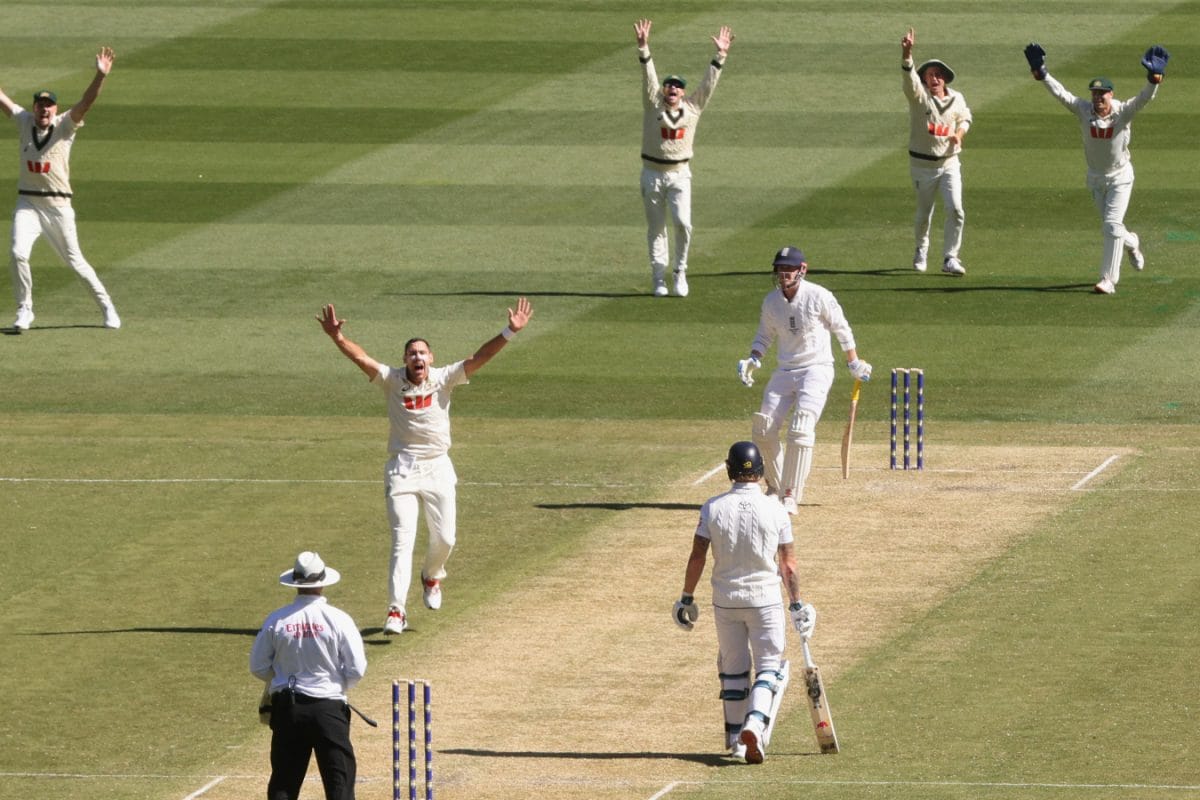
Green Top in Melbourne: 10mm of Grass Sets the Scene for Bowlers
The Melbourne pitch has been prepared with a noticeable covering of grass — about 10 millimetres — and combined with overcast skies this makes conditions very favourable for bowlers. That short, fresh grass will help the new ball keep its shine, hit the seam and offer both movement through the air and off the surface. Batsmen will need to be cautious early on.
What 10mm of grass means for the game
- Seam movement: The grass gives the ball something to grip and can produce extra sideways movement off the deck. Fast bowlers who hit the seam consistently will be rewarded.
- Swing under overcast skies: Cloud cover often helps the ball swing more, especially with a hard, new ball. Expect conventional swing early in the innings.
- Added bounce: Even a thin grass cover can preserve the hardness of the surface and encourage carry through to the bat, offering extra bounce compared with a bare track.
- Spinners’ role: Initially spinners may be on the back foot because grass reduces grip for spinning. However, as the pitch wears, variable bounce could bring spinners into play later on.
Tactical implications — what captains and bowlers will think
Given these conditions, the toss becomes important. Most captains will be tempted to bowl first to exploit movement with the new ball and make the most of the overcast conditions. Fast bowlers who can hit the deck hard, swing the ball or hit the seam will be the most dangerous.
Bowlers will look to use a fuller length early, chase the seam and work hard on angles. Change of pace is likely to be effective, and short bursts of attacking bowling with the new ball could yield quick rewards. Field placements will be set aggressively — catchers in the cordon, slips and a gully are likely staples of the early overs.
How batsmen should adapt
- Play late and under the eyes: With movement likely, playing the ball later reduces the chance of edging.
- Watch the seam: Picking the seam position early helps decide whether to leave or play.
- Use the crease: Back-foot play and using the crease to get to the pitch of the ball will help counter bounce and late movement.
- Soft hands and patience: Leaving good deliveries and not being lured by wide drives will be crucial in the opening session.
How the match might progress
Expect early wickets and a testing first session. If bowlers succeed in exploiting the conditions, totals could be modest and the contest could be bowler-dominated early on. As the grass wears down and the ball ages, the balance may shift — reverse swing could appear, or spinners might find more purchase if the surface becomes abrasive. Teams that adapt quickly will gain the upper hand.
Final thought
Pitch preparation is a deliberate choice by the curators, and the 10mm grass in Melbourne signals a tilt towards an entertaining, bowlers’ contest. Under the heavy skies, watch the new ball period closely — it is likely to be the decisive phase of the match.