
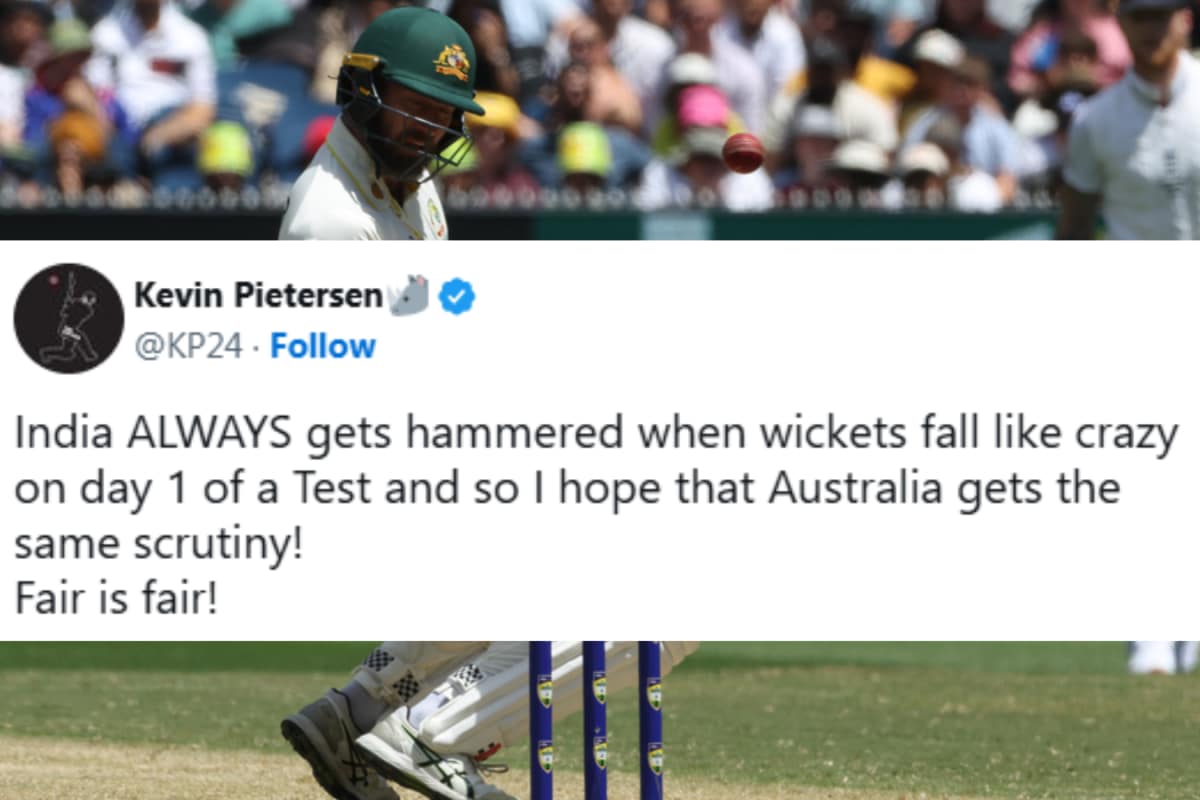
It was a day to remember — and to question — at the Melbourne Cricket Ground. After 20 wickets fell on Day 1, England bowler Josh Tongue starred with a brilliant 5-45 as Australia were bowled out for just 152. The packed crowd of 94,199 watched what quickly became a dramatic, controversial start to the Test, and former England batter Kevin Pietersen did not hold back in his criticism of the MCG pitch.
A day of chaos at the MCG
From the opening session through to stumps, the ball did the talking. Seams and edges were frequent, batters struggled to find rhythm, and wickets fell at regular intervals. When the innings finally ended on 152, the scoreboard told only part of the story: 20 wickets had tumbled by the close, an unusual and rare sight for a single day of Test cricket at the MCG.
Josh Tongue the standout
Josh Tongue emerged as the clear match-winner on Day 1. His 5 for 45 was a composed display of fast bowling, mixing disciplined lines with late movement that consistently troubled the Australian top and middle order. Tongue’s success highlighted England’s ability to exploit whatever help the surface offered, and his five-wicket haul will be talked about long after the day’s dust settles.
What made Tongue effective
- Control: He kept a tight, probing line around off stump, forcing batters into mistakes.
- Movement: Seam and subtle swing gave the ball extra bite off the deck.
- Pressure: Consistent attacking fields and building pressure led to wickets in clusters.
Pietersen slams the pitch
Kevin Pietersen was outspoken after the day’s play, sharply criticising the MCG surface. His reaction captured the frustration of many observers who felt the pitch offered excessive assistance to bowlers and disrupted a fair contest between bat and ball. The debate over pitch preparation is likely to intensify after such a one-sided-looking day.
How the pitch shaped the contest
When 20 wickets fall in a single day, questions inevitably turn to the wicket itself. A surface offering uneven bounce or pronounced seam movement can dramatically shorten the lifespan of an innings and skew the game’s balance. For captains and selectors, Sunday’s events will be a reminder of how quickly conditions can dictate tactics and turn momentum.
Crowd, atmosphere and wider impact
The MCG was near capacity, and the crowd witnessed a high-tension spectacle rather than a classic batting display. That electric atmosphere amplified every wicket and every reaction, including the fallout over the pitch. For fans and players alike, it made for unforgettable drama — but also raised concerns about the fairness and longevity of the contest.
What happens next?
With Australia dismissed for 152 and 20 wickets gone on Day 1, the match moves into Day 2 with plenty to play for. England will look to press any advantage, while Australia must find resilience and a way to counter whatever the pitch is offering. Selectors and ground staff may come under scrutiny, and the surface will be watched closely from the first ball tomorrow.
Key facts
- Venue: Melbourne Cricket Ground (MCG)
- Day 1 wickets: 20
- Australia all out: 152
- Top bowling figure: Josh Tongue 5-45
- Attendance: 94,199
Whatever the final outcome of the Test, Day 1 at the MCG will be remembered for razor-sharp bowling, an enormous crowd and a public row over the playing surface. The second day looms large — not just for the cricket on the field, but for answers about how and why the pitch produced such a dramatic opening.