
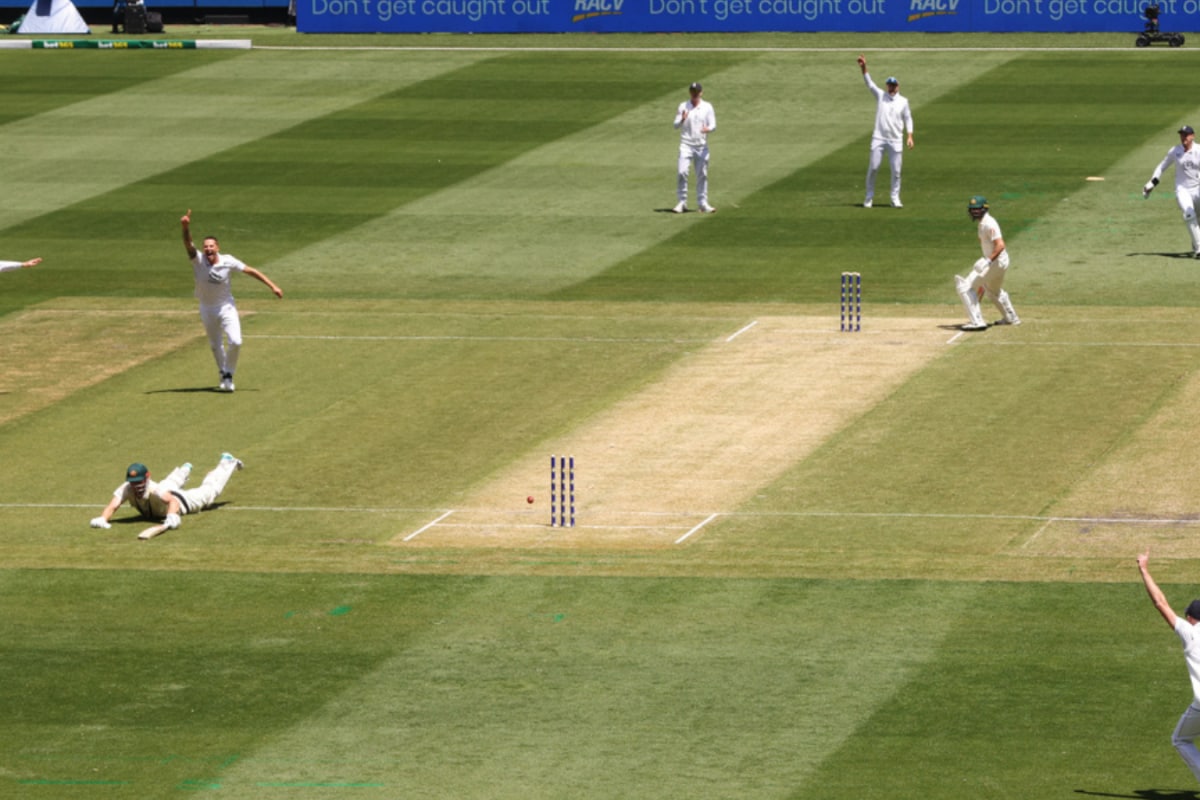
Day 1 drama at the MCG: 20 wickets tumble
The Boxing Day Test at the Melbourne Cricket Ground produced one of the most startling opening days in recent memory — 20 wickets fell on day one. A game that began with high expectation quickly turned into a bowler’s paradise, leaving batters exposed and fans and commentators asking uncomfortable questions about the state of the pitch.
Early wickets, unpredictable bounce
From the first session, bowlers repeatedly found purchase. There were periods of pronounced seam movement, inconsistent bounce and deliveries that bit low or jumped awkwardly. The surface showed more assistance for the new ball and fast bowlers than most had anticipated for a Boxing Day Test at the MCG, a ground usually associated with true bounce and long batting days.
Voices from the cricketing world
Former internationals and well-respected pundits were quick to voice their concerns. Several pointed to the balance between bat and ball being skewed and warned of consequences if the surface remained like this.
- Stuart Broad expressed surprise at how quickly the wicket deteriorated and questioned whether the surface provided a fair contest.
- Simon Katich highlighted the impact on batting technique and the difficulty for batters to settle with sporadic bounce.
- Mark Waugh raised the point that Test cricket thrives on a healthy balance between bowlers and batters, suggesting the MCG track tipped that balance too far.
- Brett Lee emphasised player safety, noting awkward bounce can increase risk to batters and that curators should aim for consistency.
- Michael Vaughan questioned whether preparing a surface like this at a marquee Test venue was the right call for the spectacle of the game.
Why the pitch is drawing criticism
Several factors make a pitch controversial when it produces a slew of wickets in a single day:
- Balance: Test cricket is built around contest. If one discipline dominates overwhelmingly, the match can lose nuance and tactical depth.
- Consistency: Inconsistent bounce and movement challenge batters in ways that can feel arbitrary rather than a test of skill.
- Safety: Low or unpredictable bounce raises the risk of injury, particularly against fast bowling.
- Spectacle: While wickets are exciting, cricket fans and broadcasters expect a fair contest at international venues—especially at the MCG on Boxing Day.
Possible fallout and what comes next
When a surface causes such a dramatic day, several immediate steps are common: match officials and the pitch curator typically review the track, and the home board may be asked to explain preparation methods. The International Cricket Council has guidelines around pitch preparation and safety; if the surface is deemed to have failed to meet standards, it can provoke formal scrutiny.
For the match itself, captains and coaches may adapt strategies — bowlers will aim to exploit movement while batting sides may alter lineups or instruct batters to be extra cautious early on. Longer-term, the debate often turns to how marquee venues prepare wickets for high-profile fixtures without sacrificing fairness or safety.
What this means for fans and the game
Boxing Day Tests at the MCG are a highlight of the cricket calendar. A chaotic day like this fuels heated debate: some relish the excitement and drama of a bowler-dominated session, while others worry about the long-term implications for Test cricket’s integrity and appeal.
Whichever side you sit on, the consensus among former players and pundits is clear — a surface that produces 20 wickets in one day demands answers. Expect further commentary, a closer look by officials and a spotlight on the curator’s explanations before the next day’s play. The coming sessions will reveal whether the pitch settles or continues to hand the advantage to the bowlers.